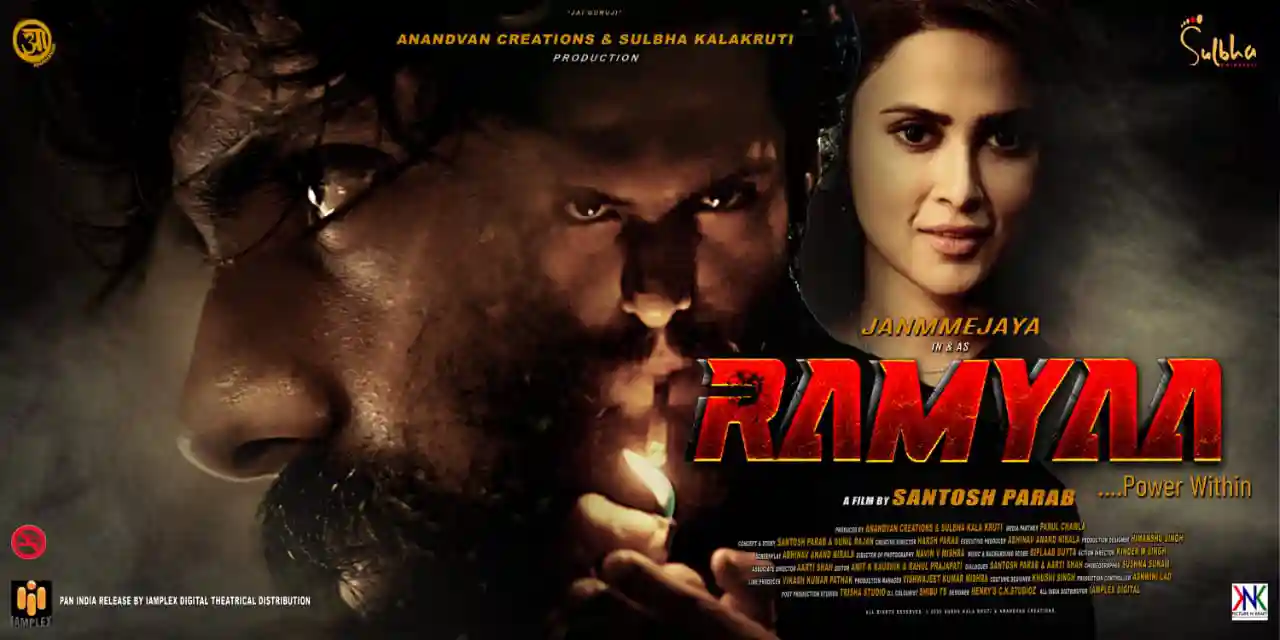
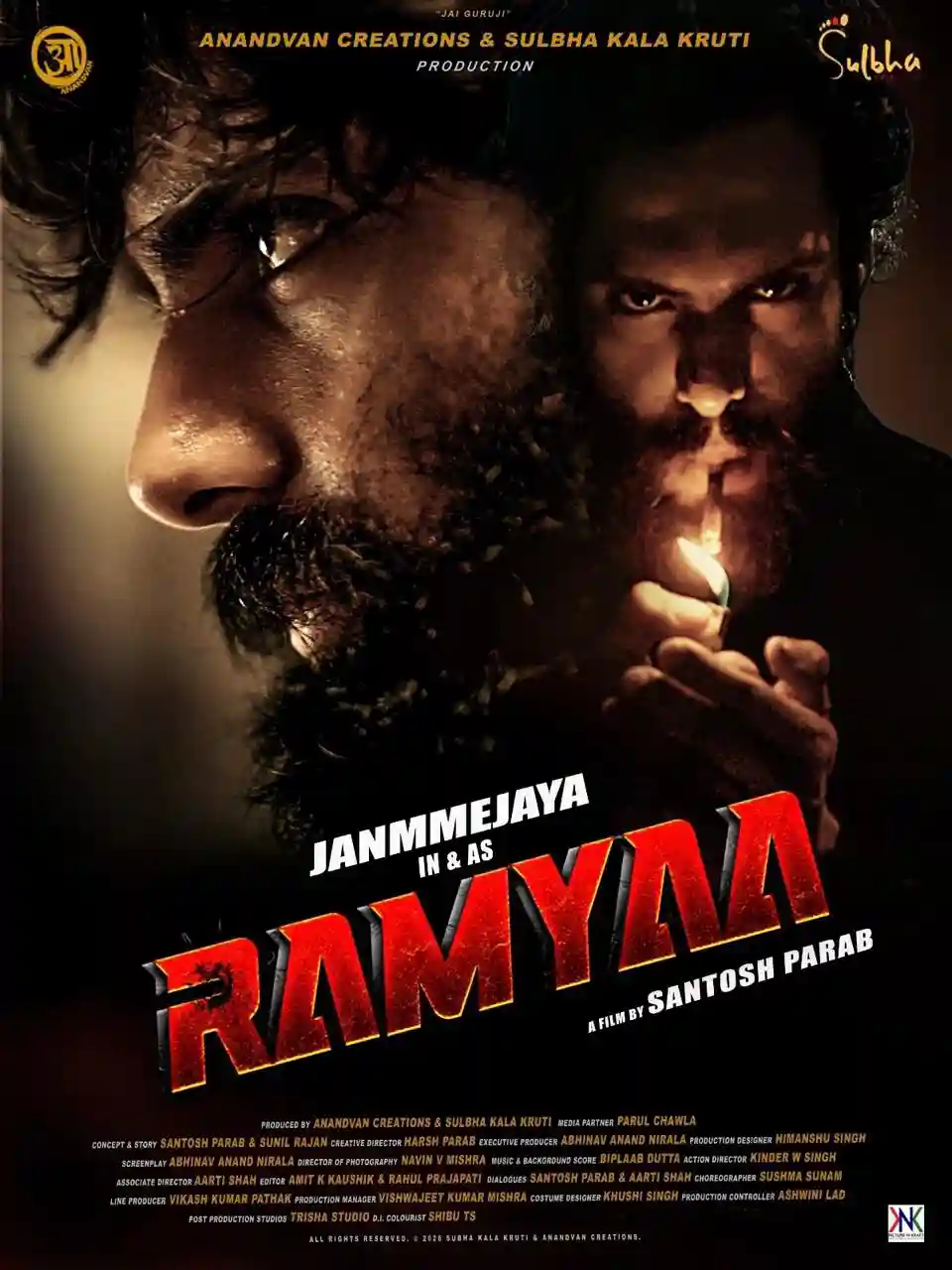
There are definitely films that strive to tell a heartfelt story, and Ramyaa is one of those. Released on March 13, 2026, this film comes with a dedicated team and a narrative that seeks to delve into profound emotions and relationships. Directed by Santosh Parab and produced by Anandvan Creations and Sulbha Kala Kruti, it feels like a project born from genuine passion. However, while the film's intentions are commendable, it doesn't always hit the mark in delivering the emotional punch it aspires to achieve.
Jailer 2 Review, Rajinikanth Delivers the Star Power but the Sequel Has Its Share of Slow Moments
Oct 15, 2026
At the heart of the story is Janmmejaya Singh, who carries much of the film's emotional burden. He clearly puts in a heartfelt effort to infuse his character with intensity and vulnerability. In several scenes, you can sense his desire to connect with the audience through genuine emotion rather than flashy moments. Unfortunately, the character itself doesn’t always provide him with the depth he needs. As a result, even when he shares touching moments, the surrounding story doesn’t always bolster those feelings effectively.
Drishyam The Conclusion Review: Vijay Salgaonkar Still Has A Few Tricks Left
Oct 3, 2026Director Santosh Parab deserves recognition for his attempt to craft a film that prioritizes emotions and human drama over mere entertainment. His vision seems to focus on creating a moody, emotional atmosphere. There are instances where this approach shines, particularly in the quieter scenes that allow the characters to breathe. Yet, at times, the pacing feels a bit off. Some scenes drag on longer than necessary, while others rush by too quickly, throwing off the emotional flow.
The story and concept crafted by Sunil Rajan and Santosh Parab have a solid foundation that’s quite intriguing. You can sense their desire to weave a meaningful tale about relationships and the challenges that come with them. However, turning a good idea into a captivating film is a tough task, and Ramyaa sometimes finds it challenging to make that leap. While there are moments in the narrative that pique curiosity, the overall structure doesn’t always keep the audience fully hooked from start to finish.
Abhinav Anand Nirala’s screenplay shows glimpses of potential, especially in scenes where the emotional stakes begin to rise. Yet, the storytelling can feel a bit disjointed at times, with some dramatic moments lacking the necessary buildup that could have made them hit harder.
The dialogues penned by Santosh Parab, Abhinav Anand Nirala, and Aarti Saha aim to highlight the emotional core of the story. A few lines truly resonate and convey genuine emotion, but many exchanges come off as a bit too straightforward and could have benefited from a sharper edge to leave a more lasting impact.
The supporting cast, featuring Samaira Rao, Sayaji Shinde, Ashok Samarth, Sheetal Pathak, Divyannk Patidar, Parthaa Akerkar, and Ganesh Yadav, brings a sense of stability to the film. Among them, Sayaji Shinde stands out with his experience and commanding screen presence. Even in brief moments, he infuses his role with a certain intensity. Samaira Rao also adds emotional depth to the story, although the characters themselves could have been explored in greater detail.
The film really shines thanks to the cinematography by Navin V Mishra. There are some stunning frames where the lighting and composition create a thoughtful atmosphere that perfectly matches the film’s emotional tone. While the cinematography isn’t particularly groundbreaking, it effectively sets the mood that the story aims to convey.
Biplaab Dutta’s music and background score work to highlight the film’s emotional moments. In certain scenes, the score enhances the mood beautifully, but overall, it doesn’t leave a lasting impression once the credits roll.
Editing by Amit K. Kaushik is another aspect where the film feels a bit off. Some sections could have used a tighter edit, while a few emotional scenes might have benefited from a slower build-up. Because of this, the narrative flow can feel a bit uneven at times.
The film also features action sequences crafted by Kinder W Singh and dance choreography by Sushma Suman. While these elements are done well, they sometimes seem to belong to a different film altogether. Instead of blending smoothly into the emotional storyline, they occasionally disrupt the film’s rhythm.
By the time Ramyaa reaches its conclusion, it leaves viewers with mixed emotions. It’s clear that the team aimed to create something meaningful and emotionally impactful. The sincerity of their effort shines through, but the storytelling choices and pacing issues hold it back from being the powerful cinematic experience it could have been.
Ramyaa isn’t a bad film in terms of its intentions. It just feels like a story that had the potential to resonate much more deeply if the writing and narrative structure had been a bit tighter.