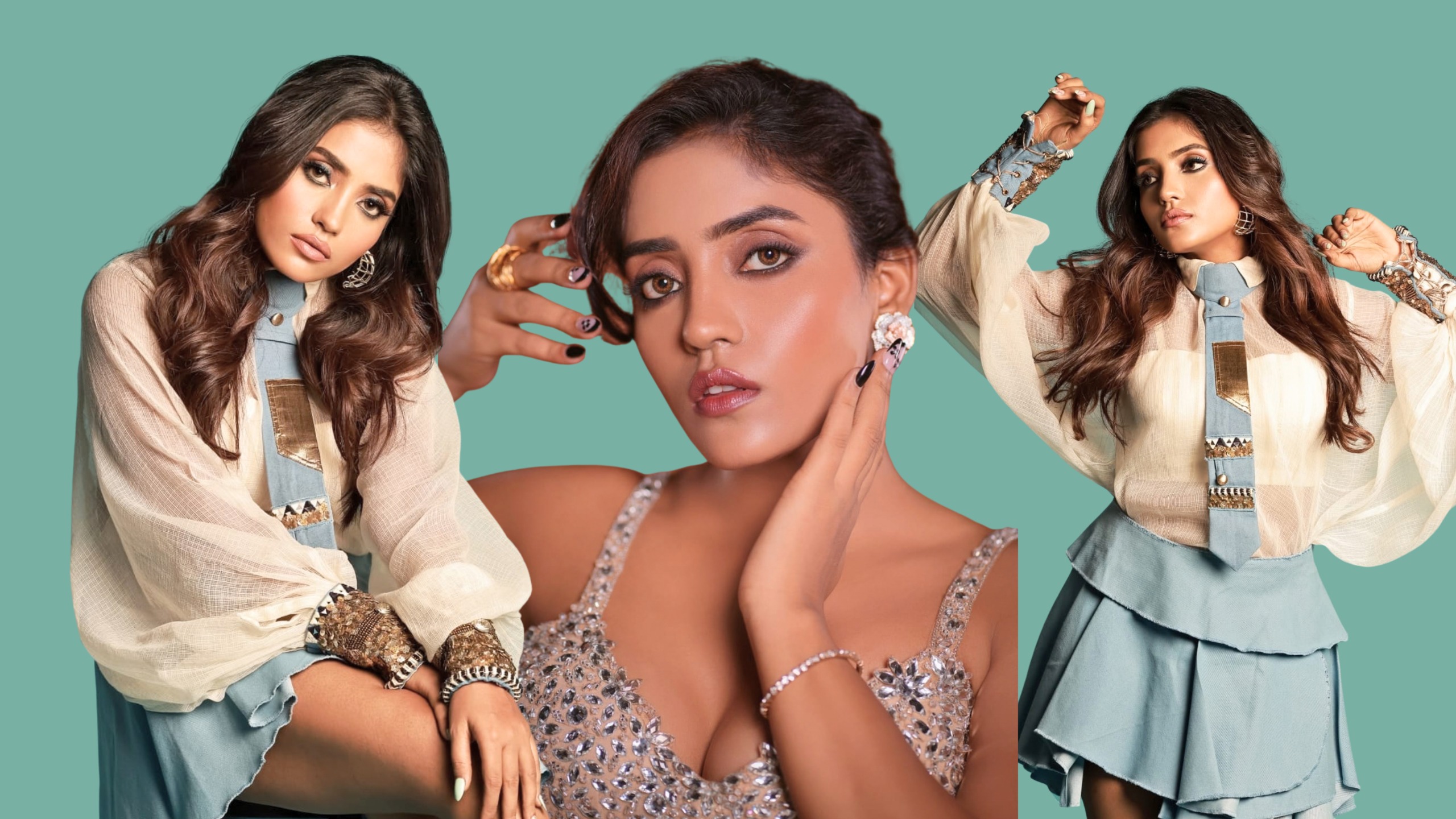
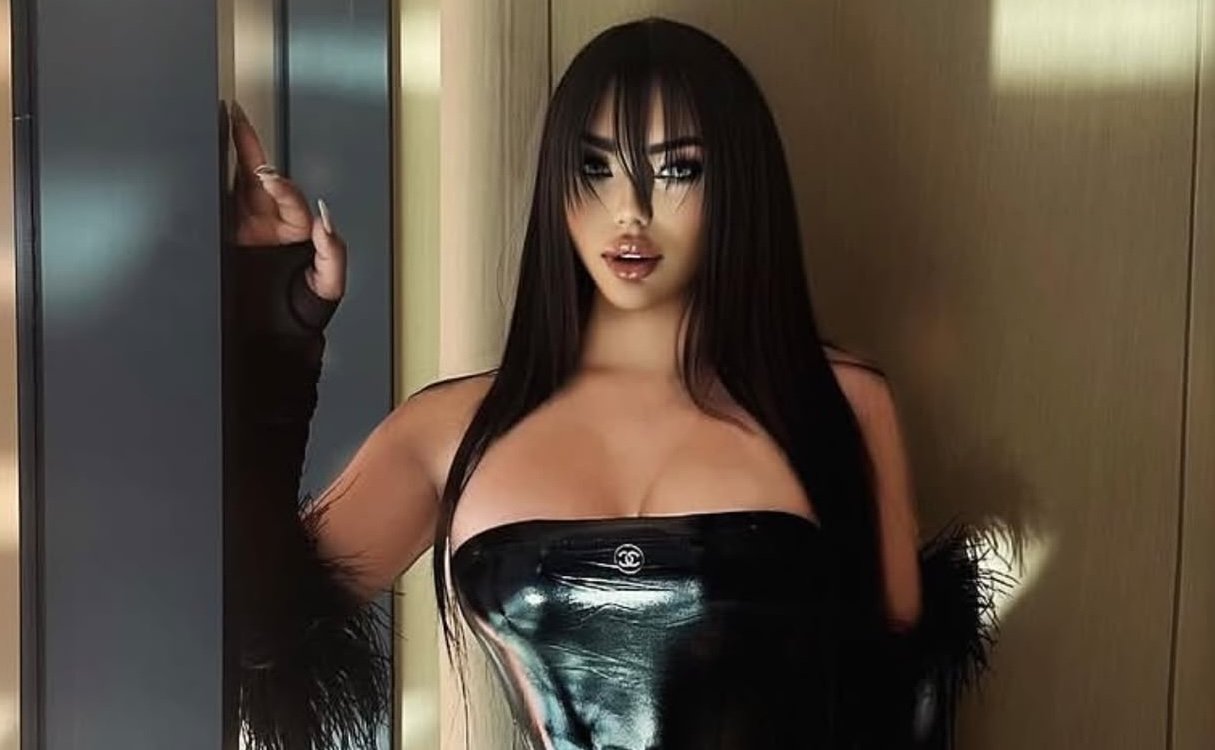
Mumbai: From family rejection and alleged threats to creating a chosen family of her own, Canada-based personality Shanaya The Doll opens up about one of the most personal chapters of her life.
Behind the glamorous photographs, designer fashion and carefully crafted doll-like image of Shanaya The Doll is a story she says has been far more complicated than what audiences see online.
Known for her unapologetically feminine appearance and larger-than-life persona, Shanaya says becoming the woman she wanted to be came with a price that had nothing to do with money, luxury or beauty.
Virat Kohli Confirms 2027 World Cup Will Be His Last, Sets His Eyes on One Final ODI Glory
Sep 28, 2026According to Shanaya, her appearance and transformation created serious conflict within parts of her family and community.
“They hated the way I looked,” Shanaya says. “For me, becoming Shanaya was about finally looking in the mirror and recognizing myself. But not everybody around me was ready to accept that.”
From Punjab to a New Life in Canada
Govinda Addresses Affair Rumours With Roopa Co Star, But His Explanation Raises Even More Questions
Sep 28, 2026Shanaya, who was born in India and later built a new life in Canada, says the criticism surrounding her appearance became increasingly intense as she became more visible publicly.
She alleges that she also received threatening messages and warnings connected to individuals in Punjab who strongly disapproved of her appearance, identity and public image.
Shanaya describes the experience as frightening, particularly because what began as criticism online allegedly became language that she interpreted as threats against her safety.
“When somebody disagrees with the way you live, that is one thing,” she says. “But when you start feeling that somebody wants to hurt you simply because you chose to exist differently, it changes you.”
The allegations described by Shanaya are her personal account and have not been independently verified.
For her, however, the experience became part of a much larger realization: sharing DNA with somebody does not automatically make a relationship safe, loving or supportive.
Creating the Family She Wanted
After experiencing conflict within her biological family, Shanaya says she began looking at the meaning of family very differently.
Today, she proudly speaks about her two adopted children, Moonie Vishali and Vanshika Dhiman, whom she considers the heart of the chosen family she has created for herself in Canada.
“I know what it feels like when you feel like you don’t completely belong,” Shanaya says. “So when these girls came into my life, I didn’t want them to ever feel that they had nobody.”
Rather than seeing herself simply as a friend or mentor, Shanaya says the relationships became deeply maternal.
“They’re my children. Maybe not biologically, but emotionally, that’s exactly what they are to me.”
Both women are also beginning to build identities and careers of their own.
Moonie Vishali, whom Shanaya describes as one of Brampton’s youngest entrepreneurs and emerging influencers, has been developing her own presence in the city’s social and entrepreneurial scene.
Vanshika Dhiman, meanwhile, is described by Shanaya as one of Brampton’s youngest professional celebrity makeup artists, building a name for herself through beauty, artistry and working with personalities in the entertainment and social-media space.
For Shanaya, watching both of them establish careers of their own adds another dimension to their relationship.
She says she does not want her children simply to be known as people connected to Shanaya The Doll. She wants them to become successful, independent women with their own identities.
“I want my girls to have their own names, their own careers and their own success,” Shanaya says. “Being a family should mean supporting each other while still letting everybody become their own person.”
A New Generation of Ambition
The three women represent different areas of the modern creator economy.
While Shanaya has developed her image around entertainment, music, fashion and digital media, Moonie is pursuing entrepreneurship and influence, while Vanshika is establishing herself professionally within the beauty industry.
Shanaya says one of the biggest things she wants to teach both women is independence.
“For me, being their mother doesn’t mean controlling their lives,” she says. “It means supporting them, protecting them and reminding them that they are capable of creating something for themselves.”
She describes their relationship as a combination of family, friendship and mentorship — a dynamic shaped not through biology, but through loyalty and the decision to stand beside one another.
Turning Pain Into Protection
Shanaya says her own experiences have made her particularly protective of younger transgender women.
She believes many people see the finished transformation — the clothes, cosmetic procedures, confidence and social-media presence — without understanding what may have happened behind the scenes.
“People see the doll,” she says. “They don’t always see what the doll had to survive before she could walk into a room with her head held high.”
It is also why Shanaya says she has tried to use her growing platform to support other transgender women, particularly those struggling with family rejection, financial instability or the fear of beginning their transition alone.
For Shanaya, helping others is not about presenting herself as somebody who has all the answers.
It is about making sure another person does not have to experience isolation in the same way she once did.
“I Built My Own Family”
Perhaps the biggest change in Shanaya’s life has been redefining what the word family means to her.
Her story is no longer solely about the people who rejected her.
It is also about the people who stayed, the people she found later, and the two young women she now proudly calls her daughters: Moonie Vishali and Vanshika Dhiman.
“I spent so much of my life wanting certain people to understand me,” she says. “Eventually I understood that I didn’t need everybody’s approval. I needed people around me who could love me without asking me to become smaller.”
Today, Shanaya describes her two adopted children as one of the most meaningful parts of her life.
“I built my own family,” she says. “And there is something really powerful about being able to give somebody else the love, protection and acceptance that you once wished somebody had given you.”
More Than the Doll
As Shanaya continues developing her career in Canada, she says she wants the public to understand that the glamorous image is only one part of her story.
Behind the makeup, fashion, surgeries and carefully cultivated persona is somebody who says she has experienced rejection, fear and major personal sacrifices in order to live openly.
And rather than allowing those experiences to define her entirely through pain, she says she wants them to become part of a different legacy.
Not simply being Shanaya The Doll.
But becoming the person she once needed herself — while helping Moonie Vishali and Vanshika Dhiman build futures of their own.
“I can’t rewrite everything that happened to me,” Shanaya says. “But I can decide what kind of family I create now, what kind of woman I become, and how the next girl who comes after me gets treated.”
For Shanaya, that may ultimately be the most personal transformation of all.