

Most Read //


Movie Reviews //
View All →
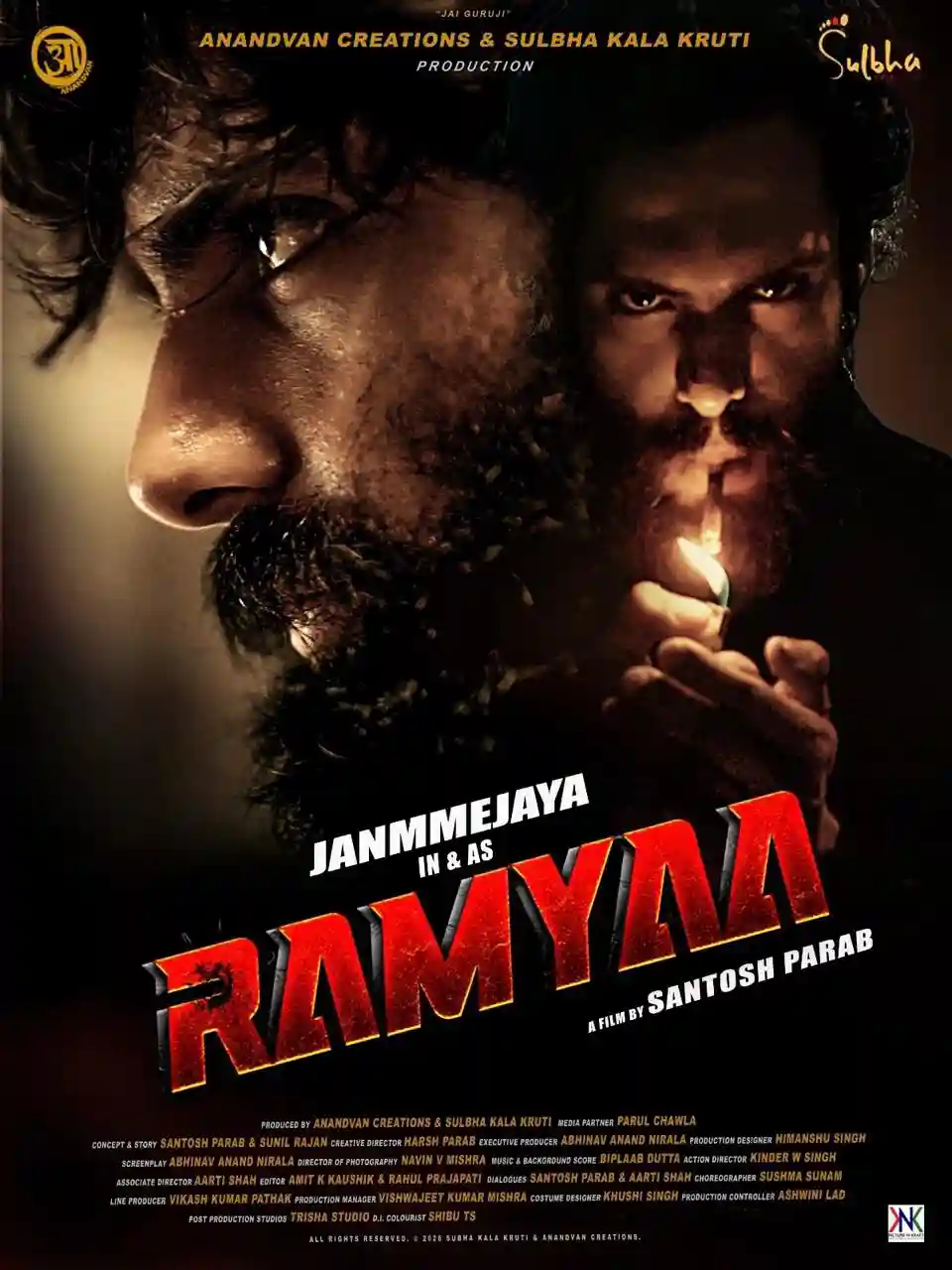
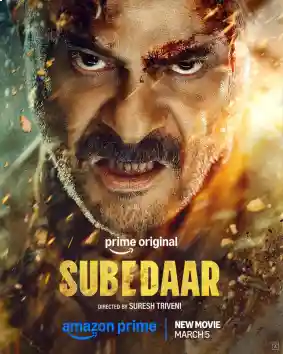
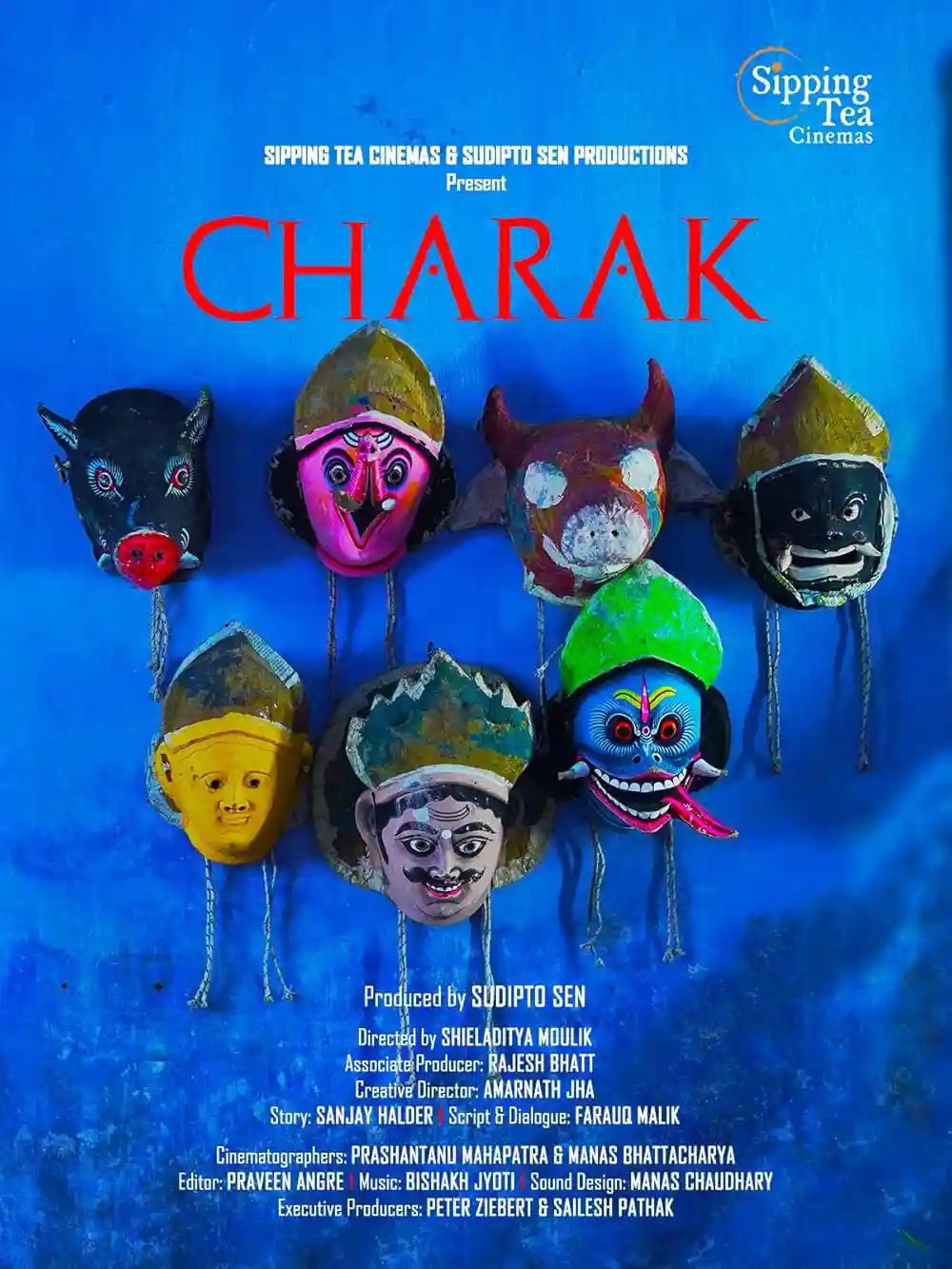
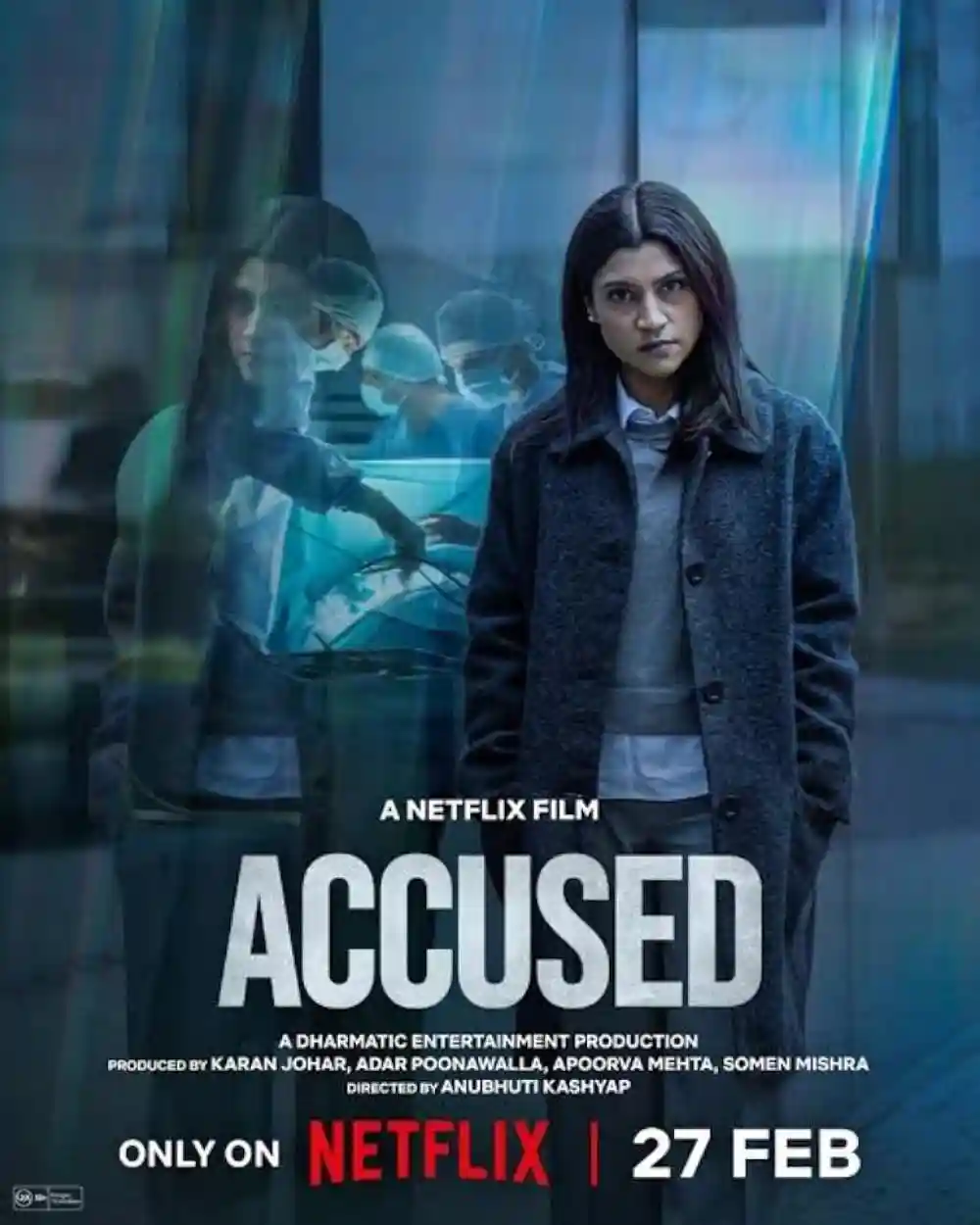
Music Video News //
View All →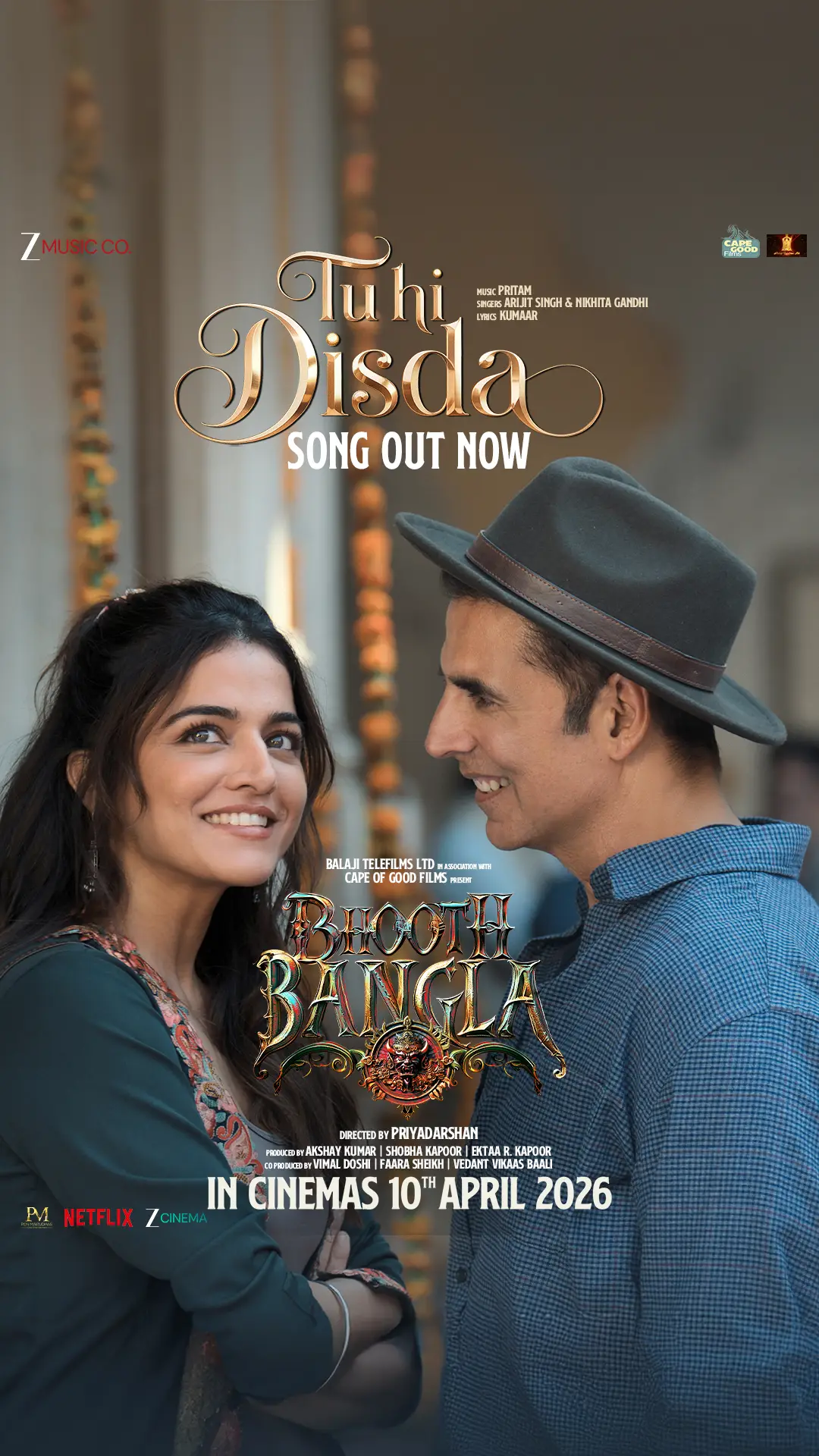

Follow Us //
TV Serial News //
View All →
If I ever face a discrimination for my looks, language and where I belong to I will just say one line,’My father is an Indian’ : Celine Tengam Koyu

Don’t Postpone Your Happiness: Shivangi Verma Shares Her Simple Mantra for Life

Shubhangi Latkar Opens Up on Portraying Dowry Struggles in Ganga Mai Ki Betiyaan

Archana Prajapati Joins Katha Ghar, Brings Stories to Life with Her Voice
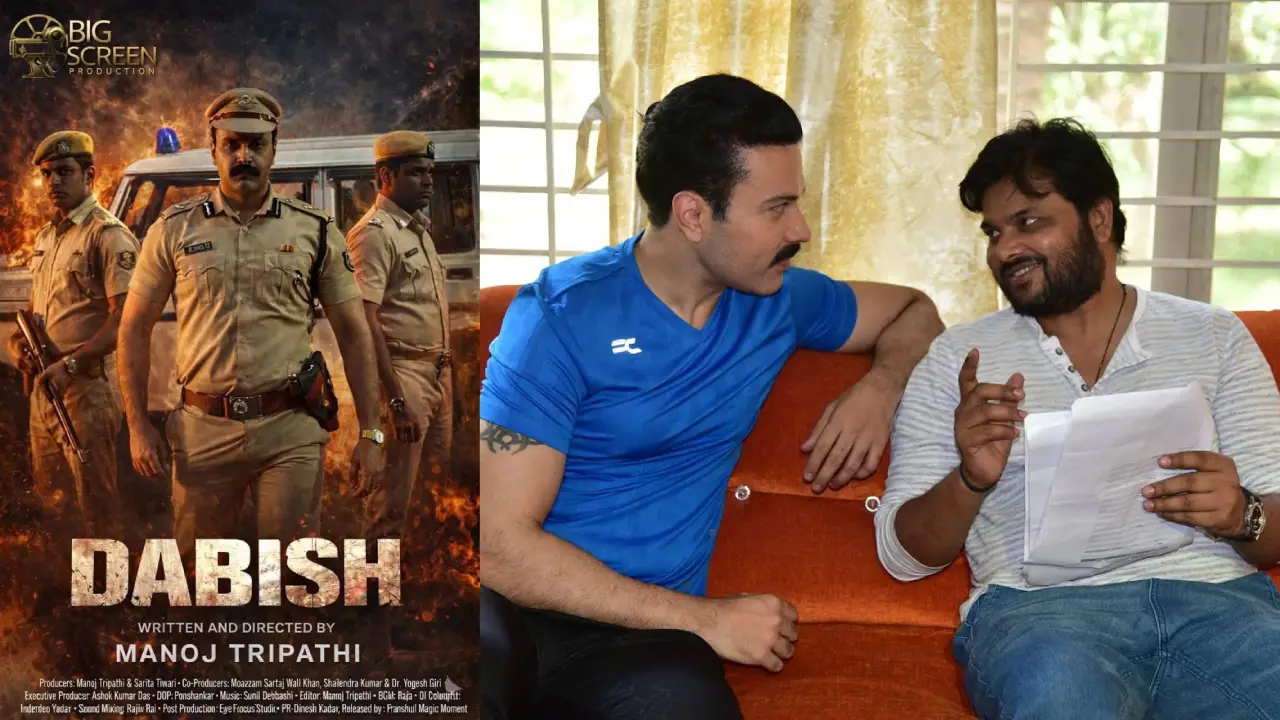
Manoj Tripathi's Crime Thriller "Dabish" is based on True Events, releasing on this April
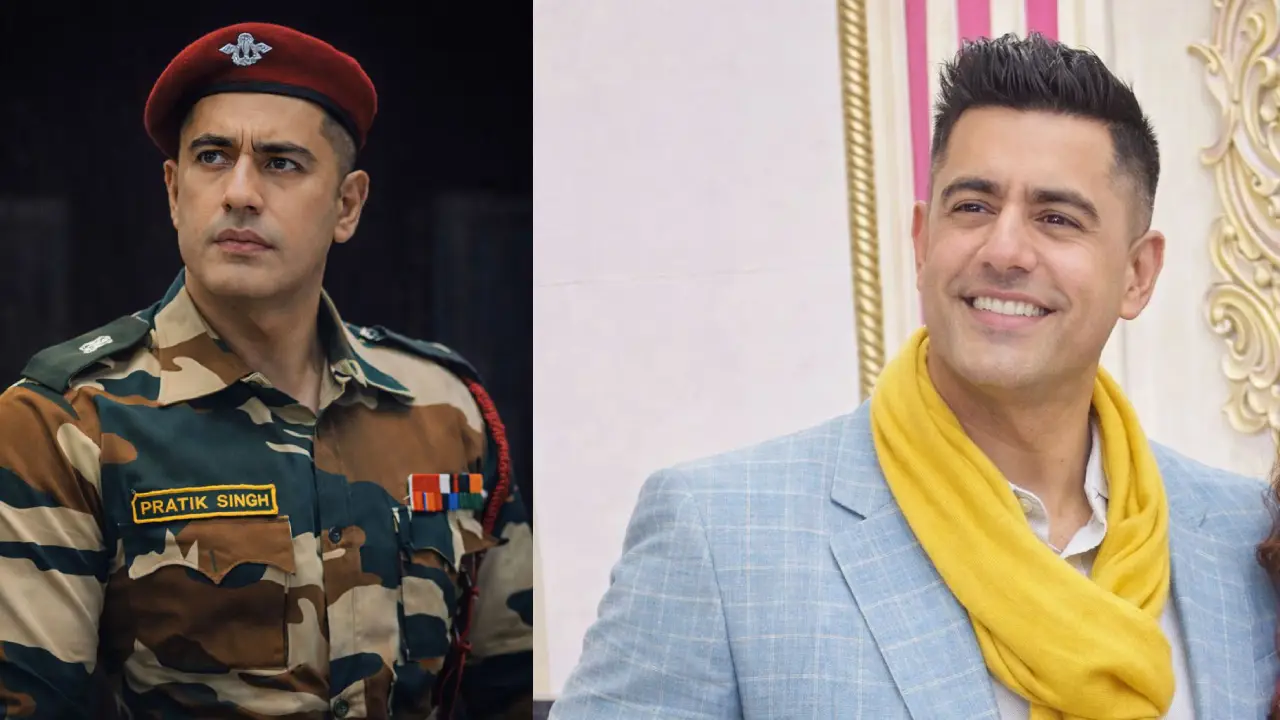
Siddharth Sibal’s Explosive Action Scene in Naagin 7 Wins Audience Applause
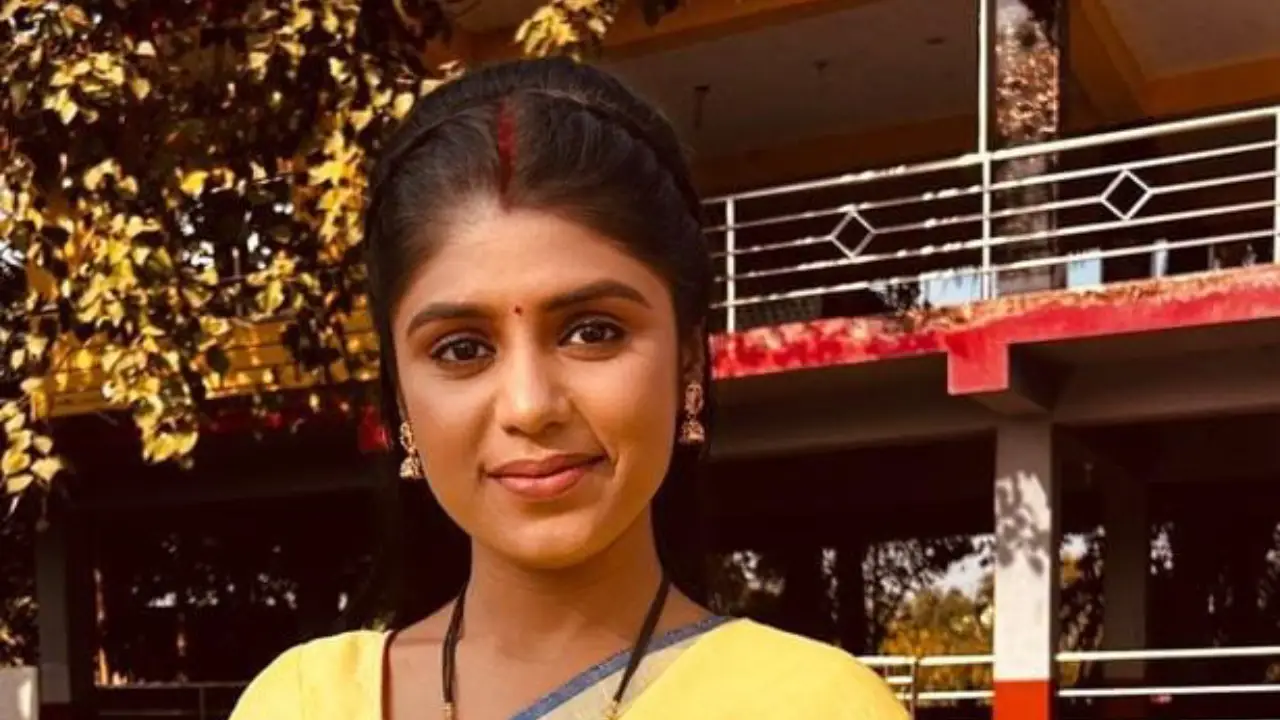
Satyaa Sachee actress Bhagyashree Mishra speaks about how the show changed her life
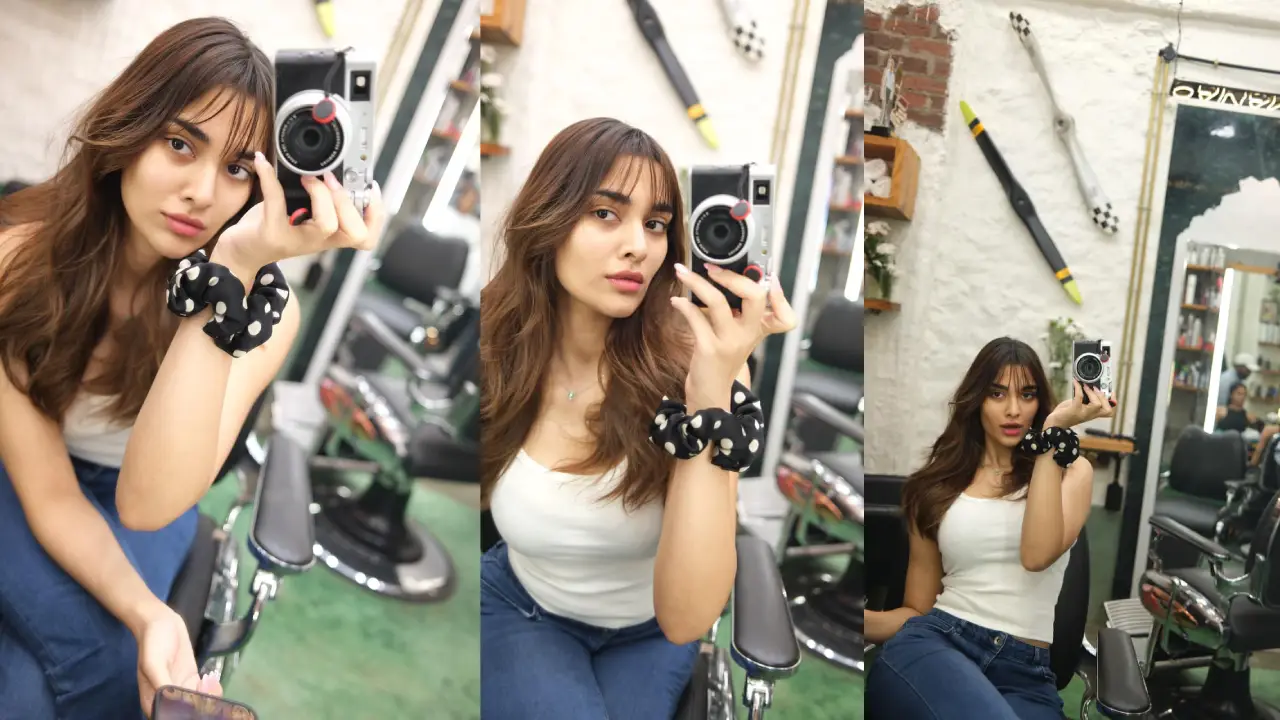
Saiee M Manjrekar Unveils Fresh Summer Look with Chic Bangs, Embracing Playful Fashion Evolution
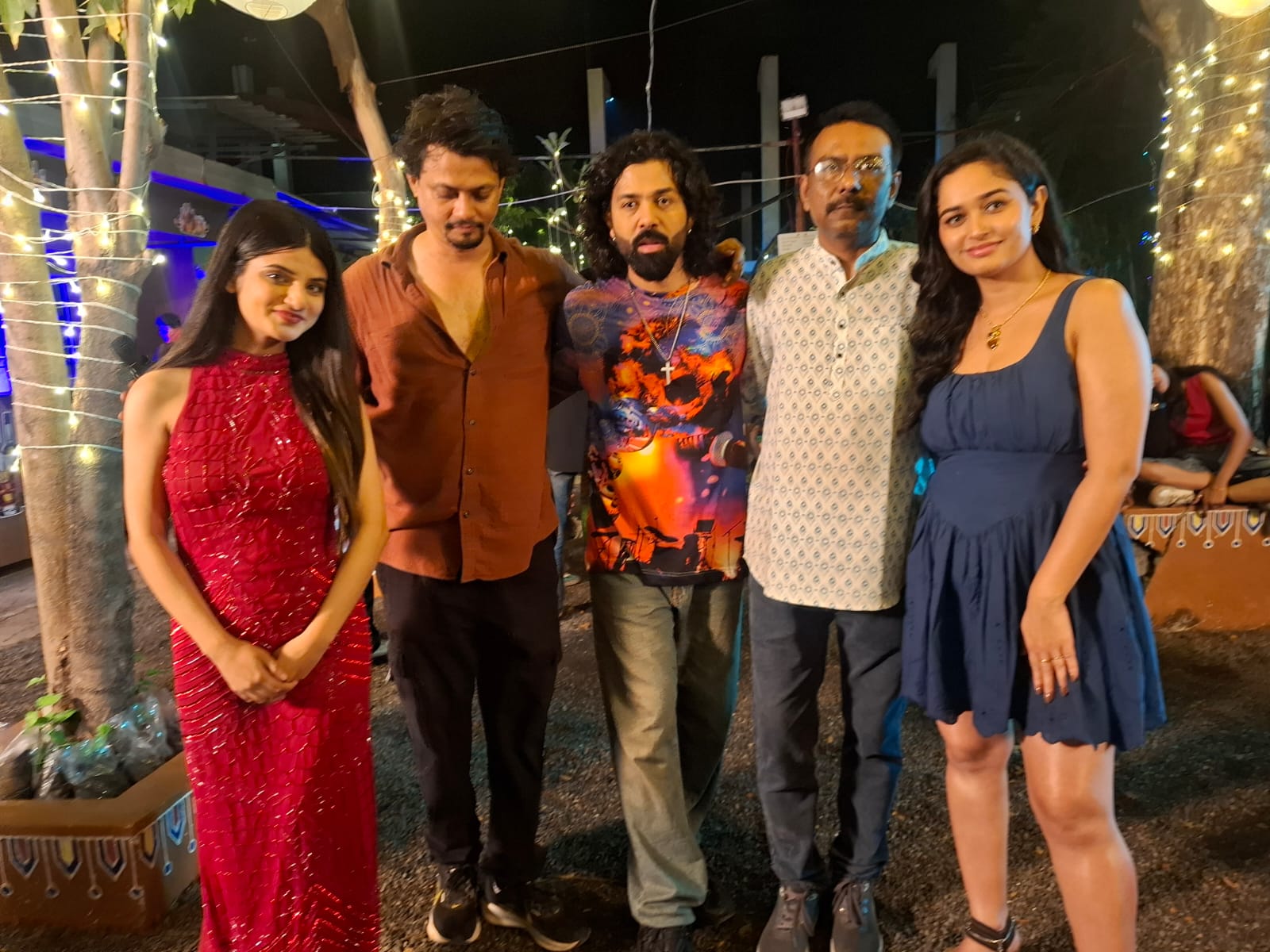
Pranav Vats and Gaurav Pancholi's two video songs have been shot in Surat

Shruti Ulfat speaks on her voice over for a special sequence in Anupamaa; “Rajan ji had full confidence that I would be able to pull it off
Press Release //
View All →
Nyrraa M Banerji Shares Intense Prep Video, Enacts Her Character Ahead of Upcoming Film
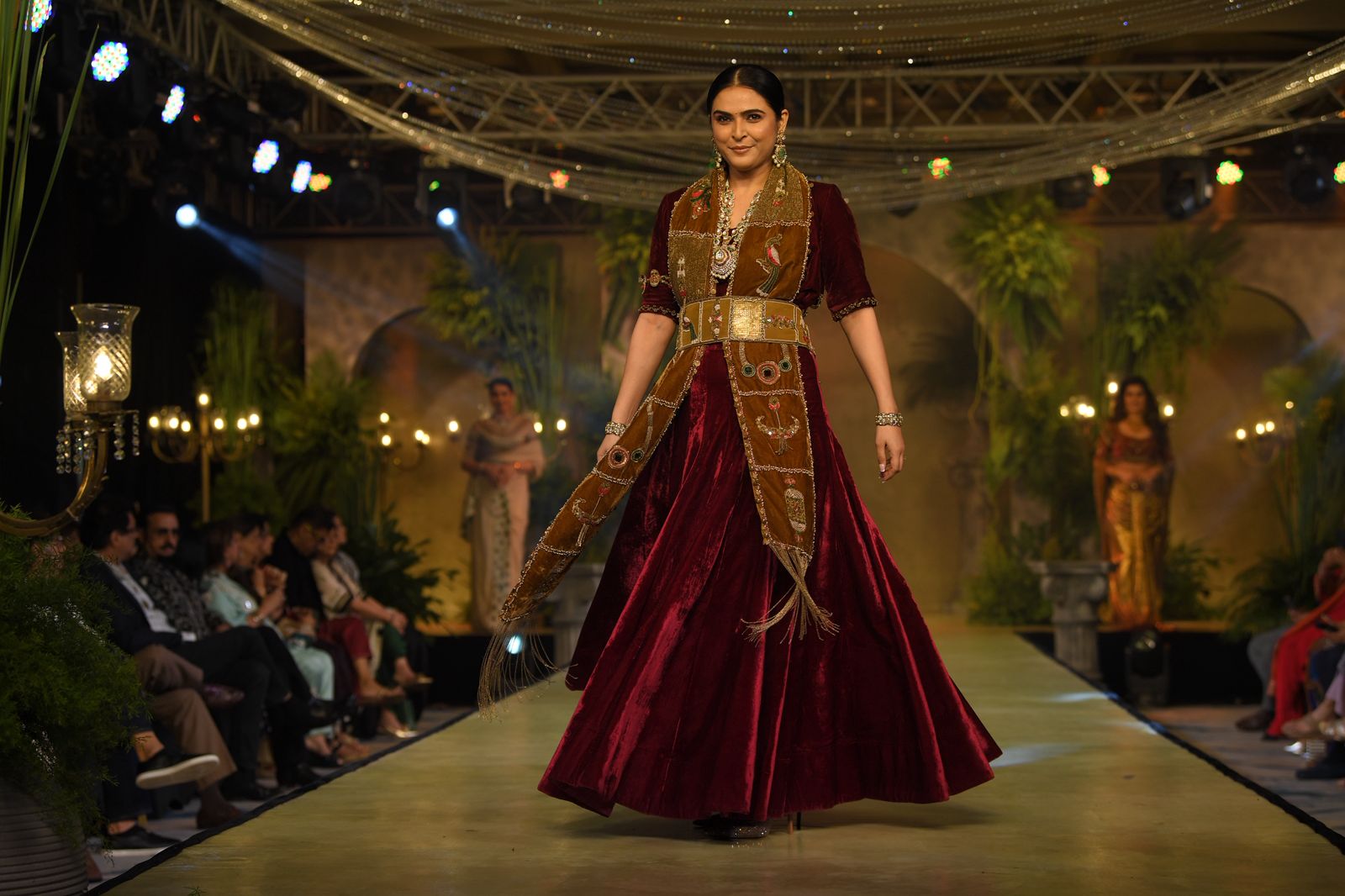
Tehran actress Madhurima Tuli Brings Grace and Meaning to the Be With Beti Walk
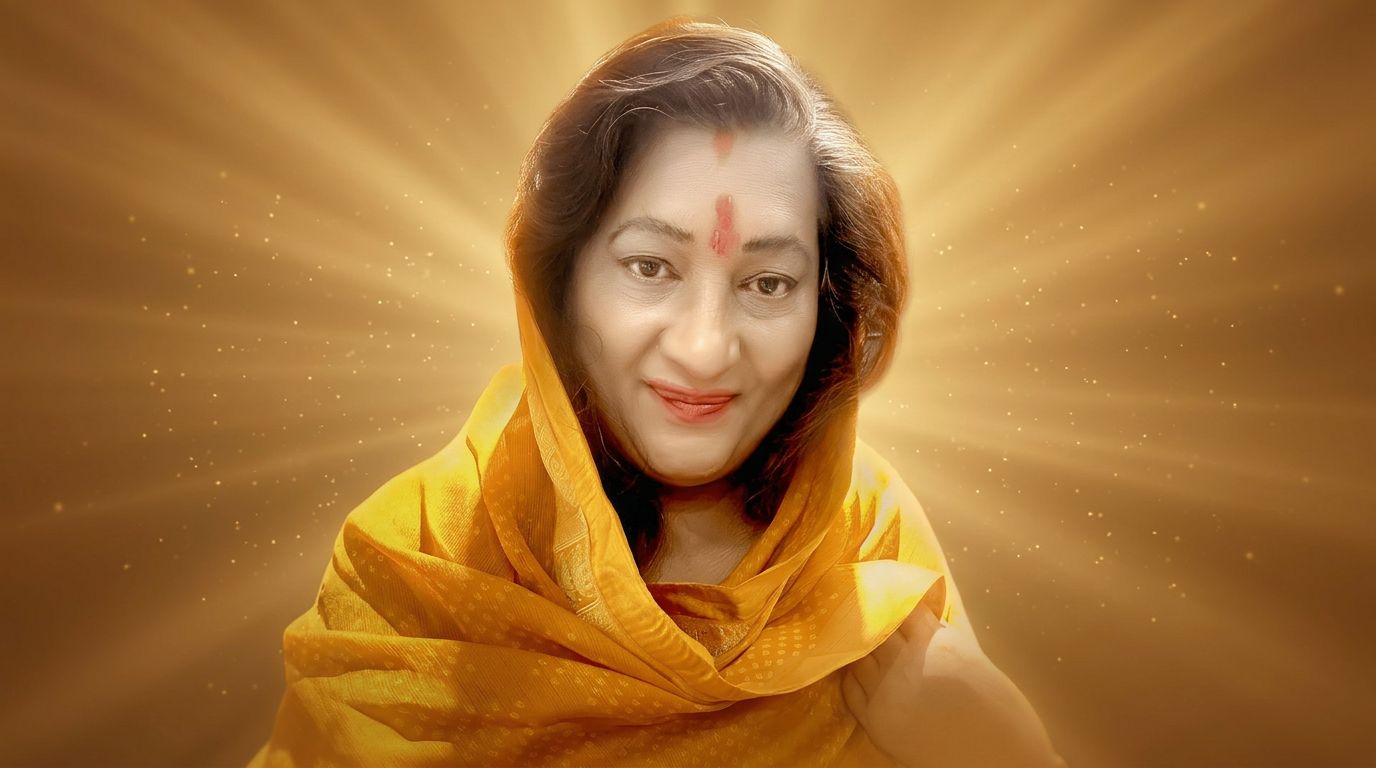
From Bollywood to Boardrooms: Dr. Acharya Vinod Kumar Ojha Emerges as the Most Trusted Global Astro-Strategist with the winner of 111+ awards
Netizens Praise Kashika Kapoor’s Performance in Aayushmati Geeta Matric Pass After Its Release on Hotstar
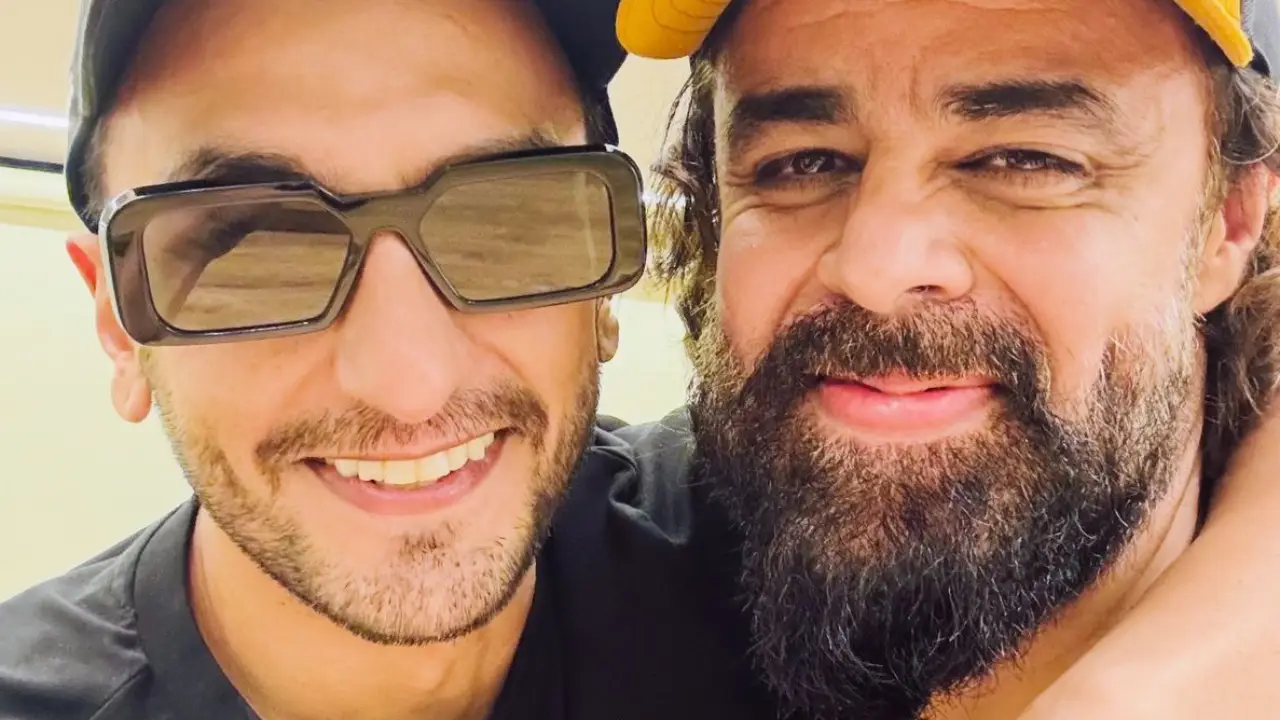
Vikramm Bhambri recalls Ranveer’s warm gesture on his first day on Dhurandhar
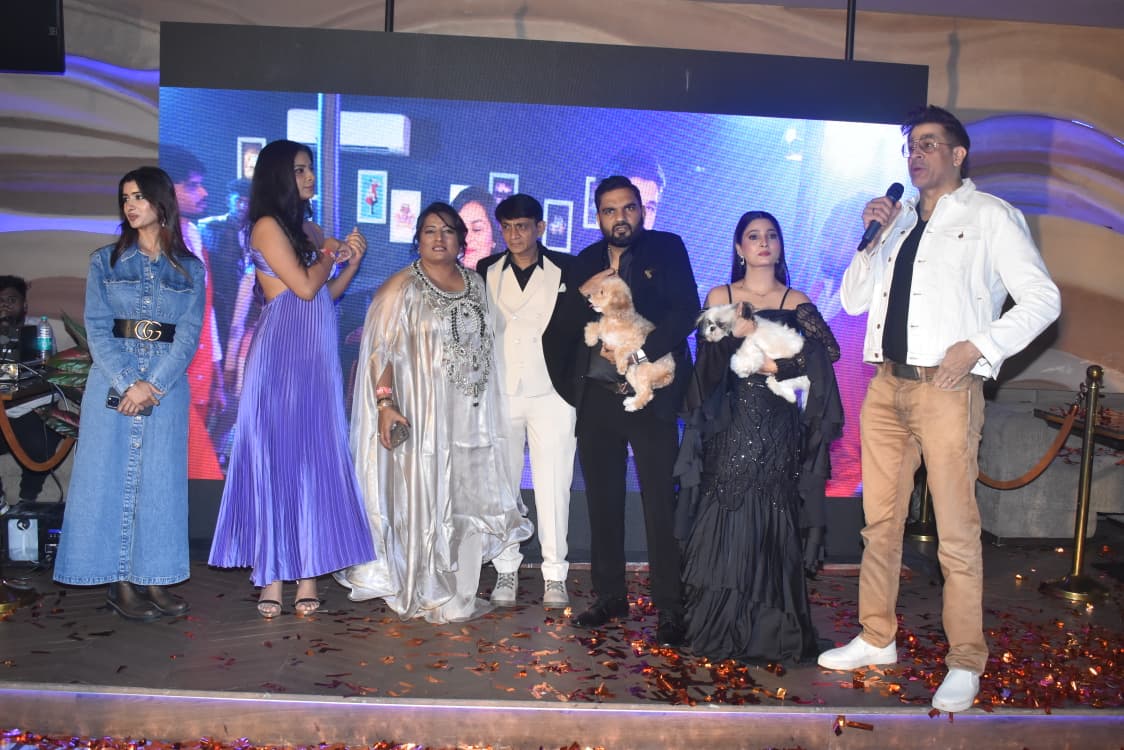
Gujarati Urban Film “KUKA is Money Cash” Unveils Its High-Energy Trailer & Songs at a Grand Celebration
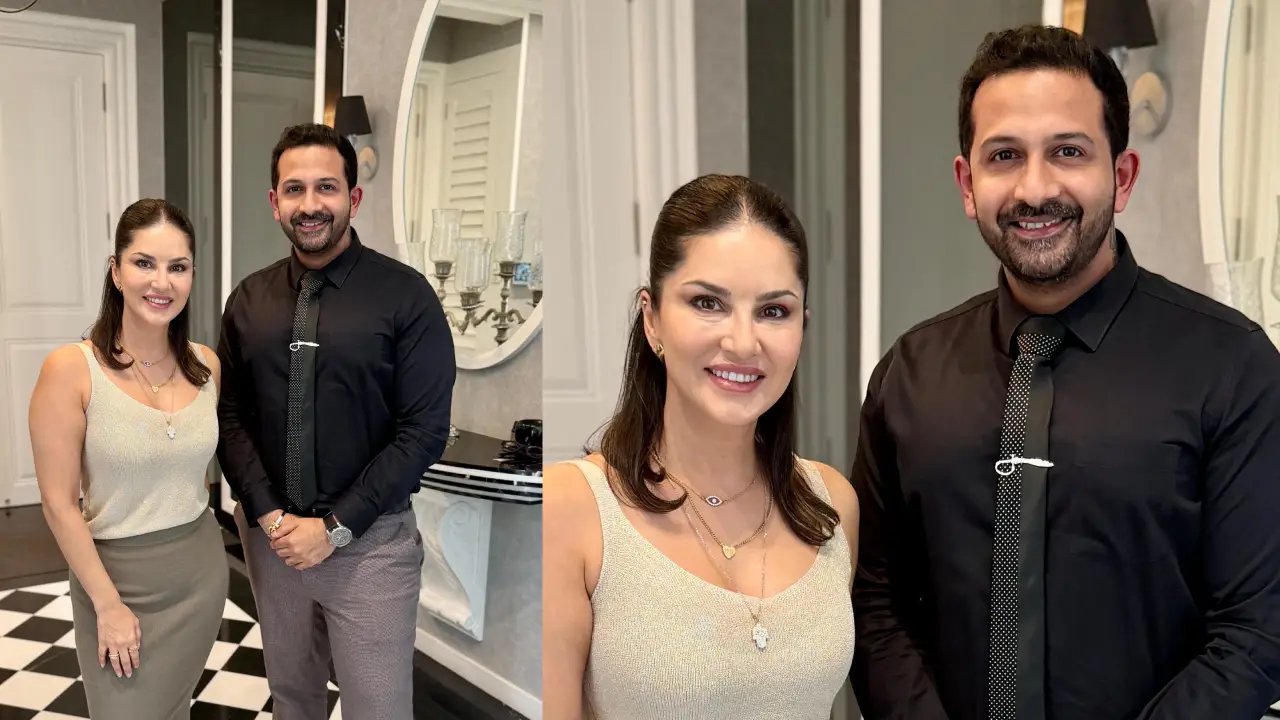
It’s a very exciting film where we are experimenting with AI-driven visual storytelling: Ajinkya Jadhav on Sunny Leone’s superhero movie
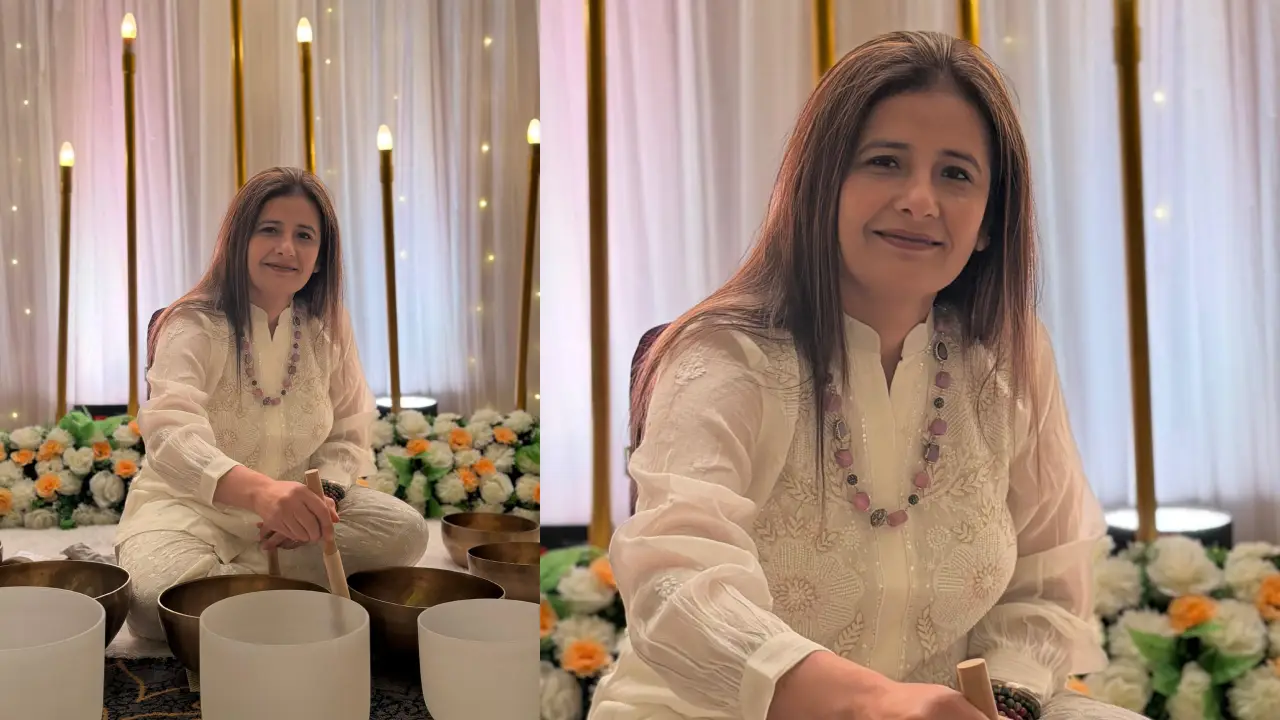
Pooja Seth Brings Transformative Sound Healing Experience “ANHAD – The Sound Beyond Sound” to Gurugram
Video //
View All →
Filmy Fun //
View All →
Celebrity Life //
View All →
Work With Us
Amplify Your Brand Through
Amplify Your Brand Through
Bollywood's Creative Voice
BollyWood Ki Baten is more than a news platform — it is the creative outlet of a multi-talented artist: Actor · Lyricist · Music Composer · Music Video Director · Short Film Director. Partner with us to place your brand inside authentic Bollywood storytelling.
Brand Endorsement
& Acting
Product placements, brand-character integrations, and on-camera endorsements performed by a professional actor with Bollywood presence.
Song & Lyric
Branding
Custom brand jingles, promotional song creation, and lyric integrations that make your product message impossible to forget.
Music Composition
for Campaigns
Original background scores, ad-film soundtracks, and thematic music composed exclusively for your brand campaigns.
Music Video
Production
Cinematic brand-integrated music videos produced and directed — reaching millions of viewers across YouTube, Instagram, and beyond.
Short Film &
PR Storytelling
Compelling short films and branded narrative videos that tell your brand story with the authenticity and craft of a professional filmmaker.
Press Release &
Media Coverage
Professional press releases published on BollyWood Ki Baten with organic reach, SEO visibility, and social media amplification.
1M+
Monthly Traffic
100%
Entertainment
5-in-1
Creative Expertise
Fast
Turnaround
Ready to collaborate? Brands, PR agencies, and labels — let's talk.
Get in Touch