
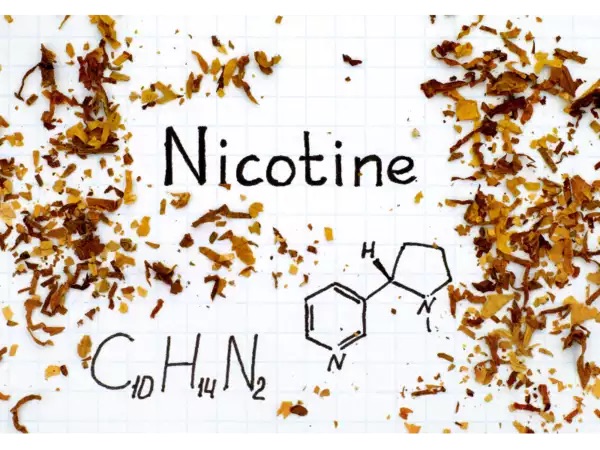
It is often concluded that nicotine is only found in tobacco and leads to cancer. But is it true?
What is nicotine?
Nicotine is a natural ingredient found in several plants, mainly tobacco. Nicotine creates a sense of comfort when people inhale or chew tobacco. Nicotine is named following the Portuguese tobacco plant Nicotiana tabacum.

Sunny Deol Takes on Medical System Corruption in Suryaa Teaser Released on His Birthday
Oct 20, 2026It was Jean Nicot de Villemain, the French Ambassador in Portugal, who sent tobacco plants to France in 1560 and promoted them as medicinal plants. During this period, it was thought that smoking could protect against diseases, especially the plague.
Nearly three centuries later, in 1828, nicotine was first extracted from tobacco plants by two German chemists Wilhelm Heinrich Posselt and Karl Ludwig Reimann. In 1893, Adolf Pinner and Richard Wolffenstein identified the chemical structure of Nicotine - a liquid at room temperature and soluble in water.
By the 20th century, many studies have determined the effects of nicotine on the body, especially on the central nervous system.

Ramayana Part One Starts Flying Overseas, US Audience Gives Ranbir Kapoor and Yash a Big Early Push
Oct 16, 2026
How does nicotine affect us?
Nicotine from cigarettes is absorbed into the lungs through inhalation of smoke. When nicotine enters the body, it enters the circulatory system and reaches the brain within 20 seconds, causing nerve stimulation, resulting in feelings of euphoria.
Clinical studies have demonstrated that nicotine had significant positive effects on fine motor, short-term episodic memory, and working memory performance.
Products containing nicotine are also used to enhance performance and cognition, and to reduce anxiety, stress, or depression.
Nicotine or cigarette smoke: What causes cancer?
Many people believe that the nicotine in tobacco is the cause of cancer. However, smoking-related cancer is not caused by nicotine, but by the smoke released from the combustion of cigarettes. There are more than 7,000 chemicals in cigarette smoke. Of these, at least 250 are known to be harmful to health, such as hydrogen cyanide, carbon monoxide and ammonia. Some are natural components of the tobacco plant itself, but most harmful substances are only formed when cigarettes are burned.
Among the harmful substances, at least 69 substances can cause cancer, mainly in cigarette smoke, including Acetaldehyde, Aromatic amines, Arsenic, Benzene, Beryllium, 1,3-Butadiene... In particular, Benzopyrene and Arsenic are substances that have the 100% ability to cause cancer in experimental studies. The above toxins are the leading cause of cancer in humans, the most common are cancers of the lung, oral cavity, lower pharynx, larynx, esophagus, bladder, kidney, liver, biliary tract, pancreas, stomach, colorectal...
According to statistics in Europe, secondhand smoke causes about 82% of lung cancer cases. The toxins in smoke also damage the cardiovascular system, atherosclerosis, increase the risk of cardiovascular disease about 25 to 30%, increase the risk of stroke 20 to 30%. In addition to cancer, cardiovascular disease, smoking also causes chronic obstructive pulmonary disease, diabetes, osteoporosis, rheumatoid arthritis, macular degeneration, cataracts, and aggravate asthma.
Nicotine itself does not directly cause cancer, but nicotine is addictive, indirectly promoting exposure to harmful substances found in cigarette smoke, a product of the combustion of tobacco.
Therefore, low doses of nicotine are used in safer tobacco alternatives, helping reduce the nicotine need of smokers while minimizing the user's exposure to carcinogens and other harmful substances in cigarette smoke. Nicotine replacement therapy, such as gum, patches, lozenges, inhalers, nasal sprays, etc., have been on the WHO Model Lists of Essential Medicines since 2009.
Cancer prevention: Stay away from cigarette smoke.
Inhaling secondhand smoke, including smoke from burning cigarettes and smoke exhaled by smokers, also carries risks of cancer, cardiovascular and respiratory diseases like active smokers. But regardless of age, quitting smoking can significantly reduce the risk of diseases, including cancer. While it's never too late to quit, the biggest benefit is from not smoking at all or quitting at a younger age.